Posted On: July 28, 2026
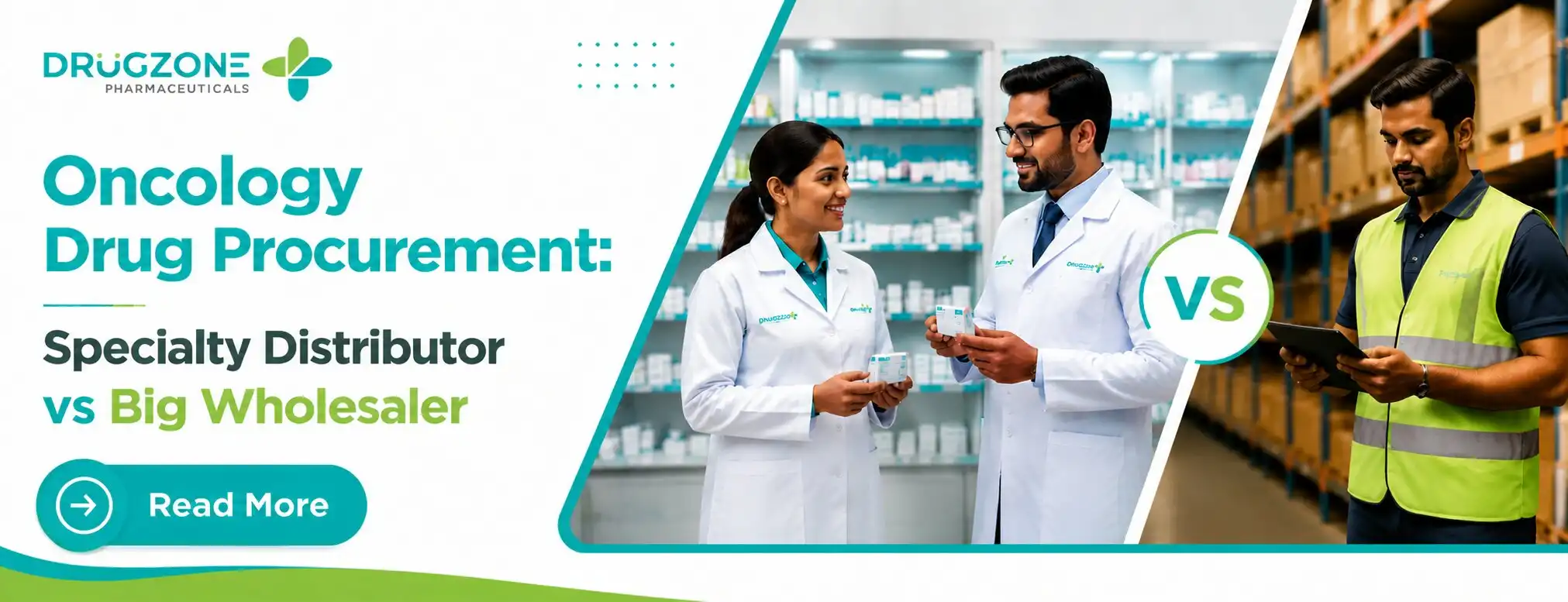
Oncology drug procurement for hospitals: specialty distributor vs big wholesaler compared
Oncology medications are among the most complex pharmaceutical products managed within hospital systems. Many cancer therapies require strict temperature controls, careful inventory management, specialized handling procedures, and rapid delivery to support timely patient treatment. As oncology care continues to evolve, hospitals must make informed procurement decisions that balance medication availability, regulatory compliance, operational efficiency, and financial responsibility.
One of the most important decisions involves selecting the right distribution partner. Hospitals often choose between specialty distributors that focus on high-value therapies and large wholesalers that supply a broad range of pharmaceutical products. Each model offers distinct advantages depending on the organization's patient population, purchasing strategy, and clinical requirements.
Understanding the differences between these distribution approaches can help pharmacy leaders, procurement teams, and healthcare administrators develop a reliable oncology supply strategy while maintaining uninterrupted patient care.
Why Oncology Drug Procurement Is Different
Unlike many routine medications, oncology drugs require additional oversight throughout the supply chain.
Hospitals managing cancer therapies must consider:
- Product integrity throughout transportation
- Cold-chain storage requirements
- Limited product availability
- Manufacturer allocation programs
- Regulatory documentation
- Expiration management
- Inventory forecasting
- High acquisition costs
Even minor disruptions in medication availability can affect treatment schedules, making procurement planning a critical component of oncology care.
Understanding Specialty Distributors
Specialty distributors primarily focus on medications that require specialized storage, handling, monitoring, or distribution processes.
Their services often include:
- Temperature-controlled shipping
- Product traceability
- Inventory monitoring
- Limited-distribution drug access
- Regulatory documentation
- Specialized customer support
- Product recall coordination
Many specialty distributors work closely with manufacturers to support products that have specific handling or distribution requirements.
Hospitals treating patients with complex cancers often rely on specialty distributors when therapies require additional supply chain oversight beyond routine pharmaceutical distribution.
Understanding Large Pharmaceutical Wholesalers
Large wholesalers supply a broad portfolio of prescription medications, over-the-counter products, medical supplies, and healthcare products across numerous clinical specialties.
Their strengths commonly include:
- Extensive product catalogs
- Frequent delivery schedules
- Large warehouse networks
- Consolidated purchasing
- Broad geographic coverage
- Established logistics infrastructure
Hospitals frequently obtain both routine medications and specialty products through these organizations, allowing pharmacy departments to simplify purchasing processes.
Many wholesale pharmaceutical companies offer oncology medications alongside thousands of other pharmaceutical products, making them an important component of hospital procurement strategies.
Specialty Distributor vs Big Wholesaler: Key Differences
Choosing between a specialty distributor and a large wholesaler depends on several operational considerations.
Product Availability
Specialty distributors may have stronger access to certain limited-distribution oncology products.
Large wholesalers generally maintain broader inventories covering multiple therapeutic categories.
Clinical Support
Specialty distributors often provide additional assistance with products requiring unique storage, handling, or manufacturer documentation.
Large wholesalers typically focus on efficient product distribution across a wide range of healthcare facilities.
Inventory Management
Specialty providers may support lower-volume, high-value inventory management.
Large wholesalers often excel at managing routine replenishment across extensive medication inventories.
Delivery Networks
Both distribution models offer dependable delivery services, although service frequency and geographic coverage may differ based on location and contractual agreements.
Factors Hospitals Should Consider
Every hospital has unique procurement priorities. Decision-makers should evaluate distribution partners using practical operational criteria.
Medication Availability
Reliable access to oncology medications remains one of the most important considerations.
Hospitals should evaluate:
- Historical product availability
- Backorder management
- Alternative sourcing capabilities
- Inventory consistency
Regulatory Compliance
Distributors should maintain compliance with:
- FDA regulations
- Drug Supply Chain Security Act (DSCSA)
- Product serialization requirements
- Storage and transportation standards
Strong compliance programs support medication authenticity and patient safety.
Cold-Chain Capabilities
Many oncology medications require carefully controlled transportation temperatures.
Hospitals should verify:
- Temperature monitoring
- Shipping validation
- Cold-chain documentation
- Product handling procedures
Delivery Performance
Reliable delivery schedules reduce treatment disruptions and improve pharmacy operations.
Evaluation criteria include:
- Delivery frequency
- Emergency shipment options
- Geographic coverage
- Order accuracy
- Shipment tracking
Cost Considerations Beyond Purchase Price
Acquisition cost is only one component of oncology procurement.
Hospitals should also consider:
- Inventory carrying costs
- Product waste due to expiration
- Emergency ordering expenses
- Administrative workload
- Supply chain reliability
- Storage requirements
A lower purchase price does not always produce lower overall operating costs if medication shortages or delayed deliveries create additional expenses.
Common Challenges in Oncology Drug Procurement
Hospital pharmacy teams regularly face operational challenges, including:
- Manufacturer shortages
- Limited-distribution medications
- Cold-chain requirements
- High-cost inventory management
- Changing reimbursement policies
- Drug expiration risks
- Unexpected patient demand
- Regulatory reporting obligations
Developing strong relationships with dependable distribution partners can help reduce the impact of these challenges.
Questions Hospitals Should Ask Potential Distributors
Before selecting a distribution partner, procurement teams should ask practical questions such as:
- How do you manage oncology drug shortages?
- What cold-chain procedures do you follow?
- What is your average order accuracy?
- How frequently are deliveries available?
- What emergency ordering options do you provide?
- How do you verify product authenticity?
- What inventory visibility tools are available?
- How do you communicate manufacturer backorders?
The answers provide valuable insight into operational capabilities and service consistency.
Finding the Right Distribution Strategy
Rather than viewing specialty distributors and large wholesalers as competing models, many hospitals successfully combine both approaches.
For example:
- Routine medications may be sourced through larger wholesalers.
- Specialized oncology therapies may be obtained through dedicated specialty distributors.
- High-priority medications may have secondary sourcing arrangements to reduce supply interruptions.
This balanced approach supports medication availability while helping hospitals manage operational complexity.
Many wholesale pharmaceutical companies also collaborate with specialty manufacturers and healthcare providers to improve product availability across oncology treatment programs.
Drugzone's Role in Pharmaceutical Distribution
Reliable pharmaceutical distribution remains essential for hospitals providing oncology care. Drugzone supports healthcare providers through pharmaceutical and animal health distribution with a strong focus on regulatory compliance, product authenticity, dependable inventory availability, and consistent supply chain practices. By maintaining high distribution standards and supporting healthcare organizations with reliable product access, Drugzone helps hospitals strengthen medication planning while supporting uninterrupted patient care.
Conclusion
Selecting the right oncology drug distribution partner requires more than comparing product catalogs or pricing. Hospitals must evaluate medication availability, regulatory compliance, delivery performance, cold-chain capabilities, inventory management, and overall service reliability.
Both specialty distributors and large wholesalers play valuable roles within modern oncology care. The most effective procurement strategy depends on each hospital's clinical services, patient population, and operational priorities.
By developing thoughtful procurement plans and partnering with experienced distributors, hospitals can strengthen medication availability, improve operational efficiency, and continue providing timely cancer treatment for the patients who depend on them.
Frequently Asked Questions
1. Why do hospitals use specialty distributors for oncology medications?
Specialty distributors often support medications requiring specialized handling, temperature-controlled transportation, limited-distribution access, and additional regulatory documentation.
2. What is the difference between a specialty distributor and a large pharmaceutical wholesaler?
Specialty distributors primarily focus on complex therapies, while large wholesalers supply a broad range of pharmaceutical products across multiple therapeutic areas.
3. How can hospitals reduce the risk of oncology drug shortages?
Hospitals can improve forecasting, maintain communication with distribution partners, establish secondary sourcing arrangements, and regularly review inventory levels.
4. Why is cold-chain management important for oncology drugs?
Many oncology medications require controlled temperatures during storage and transportation to maintain product quality, safety, and effectiveness.
5. What should hospitals evaluate when selecting a pharmaceutical distributor?
Hospitals should assess medication availability, regulatory compliance, delivery reliability, inventory management capabilities, product traceability, cold-chain procedures, customer support, and overall operational consistency.
Article Author

Binu .B RPH
President
With more than 20 years of experience in the pharmaceutical wholesale sector, I have Founded and managed several companies, including a pharmaceutical wholesale company, a compounding/retail pharmacy,and many more. As the president of Drugzone Pharmaceuticals Inc., I develop new business and maintain existing business relationships.
Tags
Latest Posts
-
Best 15 Pharmaceutical Wholesalers for Diabetic Care Product Sourcing
-
Top 10 Pharmaceutical Suppliers for Hospital and Health System Procurement
-

7 Things Oncology Clinics Should Check Before Choosing a Pharmaceutical Wholesale Distributor
-

9 Questions to Ask Pharmaceutical Suppliers in USA Before Opening an Account
-
Emergency drug supply kits for nursing homes: what distributors provide and what to stock
Similar Posts
-
Best 15 Pharmaceutical Wholesalers for Diabetic Care Product Sourcing
-
Top 10 Pharmaceutical Suppliers for Hospital and Health System Procurement
-
7 Things Oncology Clinics Should Check Before Choosing a Pharmaceutical Wholesale Distributor
-
9 Questions to Ask Pharmaceutical Suppliers in USA Before Opening an Account
-
Emergency drug supply kits for nursing homes: what distributors provide and what to stock